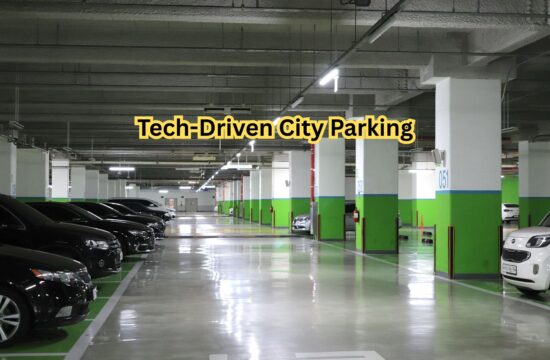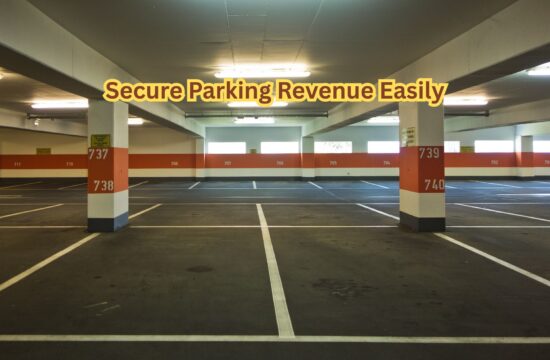
To determine how many parking spaces a resort actually requires, Hotel Parking Demand Analysis plays a vital role in strategic planning and financial efficiency. Hotel Parking Demand Analysis evaluates seasonal fluctuations, guest vehicle ownership rates, occupancy trends, and visitor behavior patterns. Through proper Hotel Parking Demand Analysis, hotels can prevent costly shortages or underutilized spaces, ensure balanced infrastructure investment, enhance guest satisfaction, optimize land usage, and improve long-term operational performance for both urban and resort properties.
Factors Influencing Parking Demand
Hotel parking demand is influenced by a number of factors, such as location, guest demographics, accessibility to transportation, and reservations for events. Structured parking may be necessary for urban hotels close to business districts or airports, while resort resorts can see seasonal increases. Demand is also influenced by the availability of public transportation and ride-sharing. Understanding these factors allows hotel operators to forecast needs accurately and prevent congestion or wasted capacity.
Occupancy Rates and Vehicle Patterns
Occupancy rates directly correlate with parking utilization, but not every occupied room generates a vehicle. Business travelers, tour groups, and local event attendees influence vehicle patterns differently. Weekend stays often increase parking demand compared to weekday business travel. Analyzing historical occupancy data alongside vehicle counts helps hotels estimate realistic parking ratios and avoid overbuilding costly parking structures.
Technology in Parking Demand Analysis
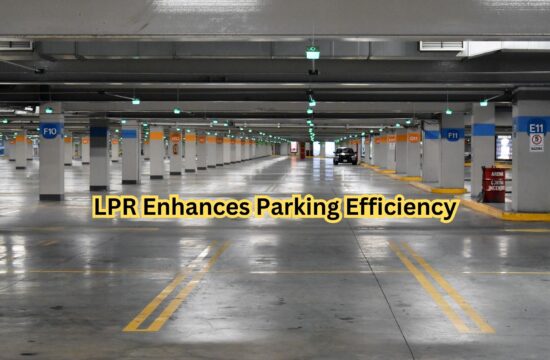
Modern technology enhances Hotel Parking Demand Analysis through data collection and predictive modeling. Smart parking systems, license plate recognition, and occupancy sensors provide real-time insights. Analytics software can forecast demand during peak seasons or large events. Integrating technology improves accuracy, reduces manual errors, and supports dynamic pricing strategies to maximize revenue from available parking inventory.
Financial Impact of Accurate Analysis
Preventing needless capital expenditure on extra parking infrastructure is possible with accurate parking demand research. Mistakes can lower overall profitability, and structured parking is costly. On the other hand, inadequate parking can harm brand reputation and visitor satisfaction. Hotels may boost ancillary revenue, optimize asset use, and improve long-term financial performance by matching parking supply and demand.
Strategic Planning and Future Trends
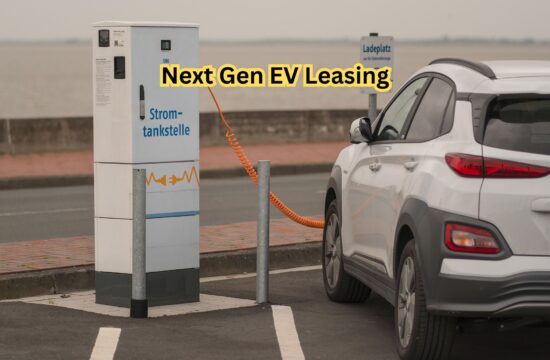
Strategic planning requires continuous review of parking demand trends. Electric vehicle adoption, autonomous vehicles, and shared mobility services are reshaping parking requirements. Hotels must remain flexible and adaptable to changing transportation behaviors. Ongoing Hotel Parking Demand Analysis ensures properties remain competitive, sustainable, and financially efficient in an evolving hospitality landscape.