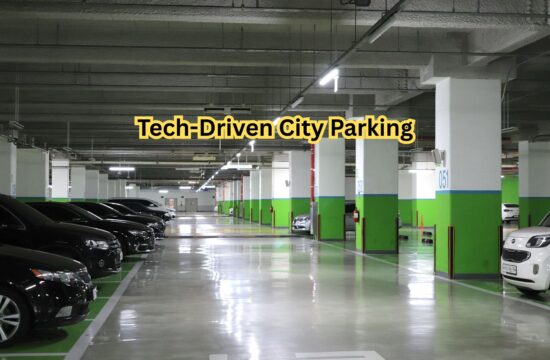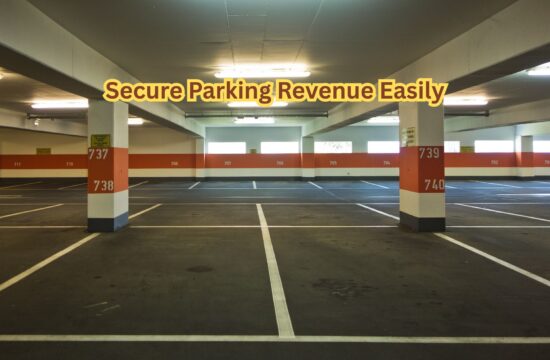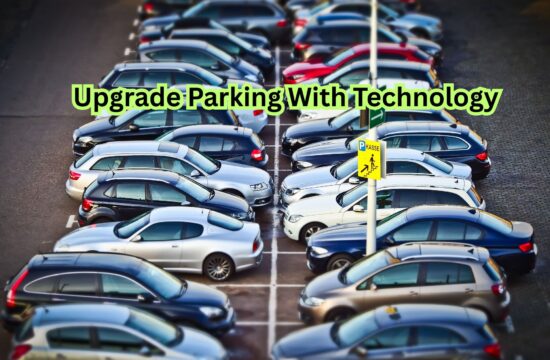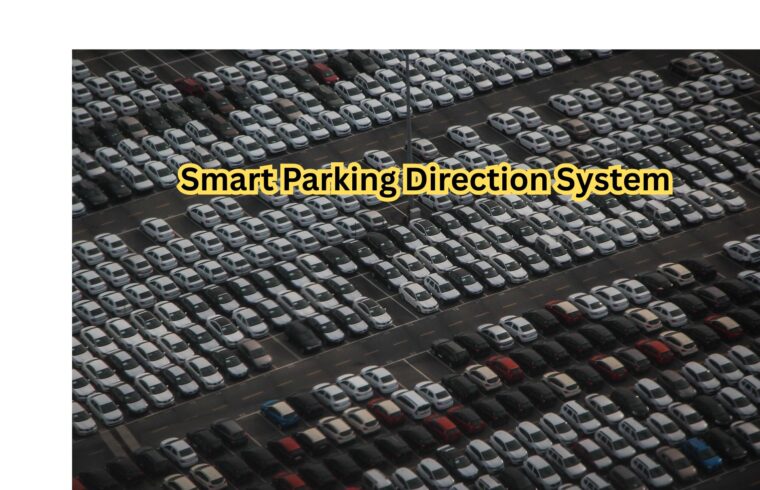
Smart Parking Direction System directs cars toward open parking spots in real time using sensors, cameras, and software. This Smart Parking Direction System cuts down on uncertainty and search time by providing clear directions through digital boards or smartphone apps. In crowded cities, the Smart Parking Direction System makes parking easier, reduces fuel consumption, and improves overall traffic flow.
How Smart Parking System Works
Parking sensors placed in each slot provide real-time data to the Smart Parking System. A central system that processes this data quickly finds empty spots. Drivers can travel straight to available spots without needless driving or delays by using mobile applications or display panels that provide directions.
Benefits of Smart Parking System
Reduced traffic congestion within and around parking facilities is one of the main advantages of a smart parking system. It reduces automobile emissions, reduces stress, and saves drivers time. With a contemporary, effective parking solution, parking operators gain from increased customer satisfaction, faster car turnover, and greater space use.
Applications of Smart Parking Direction System
Shopping centers, airports, hospitals, workplaces, and smart cities all make extensive use of smart parking system systems. These systems are particularly useful in places with a lot of traffic and erratic parking demand. In large and complicated facilities, they provide better parking management and more seamless vehicle mobility by providing real-time assistance.
Future of Smart Parking System
AI-based forecasts, mobile payments, and interaction with smart city systems are all part of the future of Smart Parking System technology. Predicting parking demand and maximizing space utilization will be made easier with the use of advanced analytics. These solutions will be crucial in developing sustainable, effective, and driver-friendly parking spaces as cities expand.